

Abandoned Cart Emails: Your Guide to Recovering Lost Sales
A comprehensive guide to understanding and implementing effective abandoned cart email strategies.
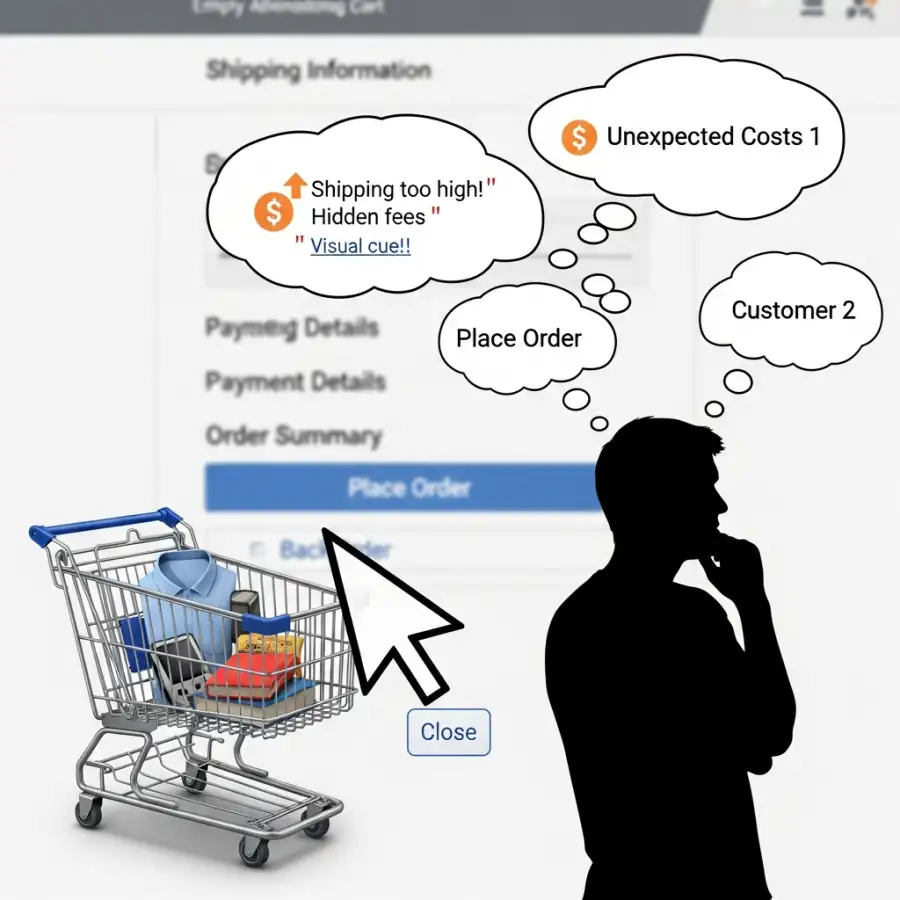
Did you know that the average cart abandonment rate hovers around 70%? That's a lot of potential revenue slipping through your fingers.
But there's good news: abandoned cart emails are a proven strategy to win back those lost sales, with impressive conversion rates.
This guide will explore the power of abandoned cart emails, offering you actionable insights to implement a successful recovery strategy and boost your bottom line.
In the competitive world of e-commerce, every sale counts. A significant number of potential customers add items to their online shopping carts but never complete the purchase. This is where abandoned cart emails come into play. These automated messages are designed to re-engage customers who have left items in their cart, reminding them of their interest and encouraging them to finalize their purchase. Understanding the reasons behind cart abandonment and implementing effective email campaigns can significantly impact your revenue. This guide will provide you with a detailed understanding of how to use abandoned cart emails to recover lost sales.
Quick navigation
Understanding Cart Abandonment: The Numbers
Cart abandonment is a prevalent issue for online businesses, but understanding the scope is crucial. The average cart abandonment rate across all industries is roughly 70%. However, this number can fluctuate significantly depending on the industry, device type, and other factors. For example, the fashion industry, due to its inherent nature, often sees higher abandonment rates compared to the electronics sector.
Let's break down some statistics to understand the landscape:
- Average Cart Abandonment Rate: Approximately 70% across all industries.
- Mobile vs. Desktop: Mobile abandonment rates are often higher than desktop, due to factors like smaller screens and slower checkout processes.
- Industry Variations: Some industries, like travel and fashion, may experience higher rates due to the comparative nature of shopping.
These figures highlight the significant opportunity for businesses to recover lost sales through targeted strategies like abandoned cart emails. The specific figures for your business will depend on your industry and specific customer behavior.
Why Customers Abandon Their Carts
Understanding the reasons behind cart abandonment is the first step toward creating effective email recovery strategies. What are the common roadblocks that prevent customers from completing their purchases? Are there any patterns?
Here are some of the primary reasons:
- Unexpected Costs: Shipping costs, taxes, and other fees added during checkout are a major deterrent.
- Complex Checkout Process: Too many steps or required information can frustrate customers.
- Website Issues: Slow loading times, errors, or a lack of trust can drive customers away.
- Account Creation Required: Forcing customers to create an account before purchase can be a barrier.
- Payment Security Concerns: Customers may worry about the security of their payment information.
- Comparison Shopping: Customers often browse and compare prices before committing.
By identifying the primary reasons behind cart abandonment, you can tailor your abandoned cart emails to address these specific concerns and provide solutions that encourage customers to complete their purchases.
The Power of Abandoned Cart Emails
Abandoned cart emails are a powerful tool for recovering lost sales and increasing revenue. But how effective are they? Can they truly recover lost sales?
Here are some key statistics that demonstrate the impact of abandoned cart emails:
- Conversion Rates: Abandoned cart emails have impressive conversion rates, often ranging from 10% to 30%.
- Revenue Recovery: These emails can recover a significant percentage of lost revenue, directly contributing to your bottom line.
- Customer Engagement: They provide an opportunity to re-engage with potential customers and build brand loyalty.
The success of abandoned cart emails lies in their ability to re-engage customers at a crucial moment. The automated nature of these emails allows for timely reminders and personalized offers, enticing customers to return and complete their purchase.
Crafting the Perfect Abandoned Cart Email
The design and content of your abandoned cart emails are critical to their success. What makes an email stand out? How can you create an effective abandoned cart email?
Here are key elements to consider:
- Compelling Subject Lines: Catch the reader's attention with a personalized, intriguing subject line (e.g., "Still interested in your items?").
- Personalized Content: Address the customer by name and show the items they left in their cart.
- High-Quality Product Images: Display clear images of the abandoned items.
- Clear Call-to-Action (CTA): Encourage customers to return to their cart with a clear CTA button (e.g., "Return to Cart").
- Incentives (Optional): Consider offering a discount or free shipping to encourage a purchase.
The most effective emails are personalized and provide value to the customer. They focus on addressing the customer's concerns and making it easy to complete their purchase.
Best Practices for Your Email Sequence
Creating a successful abandoned cart email campaign involves more than just a single email. What is the optimal sequence? How do you maximize your chances of recovery?
Here's a recommended email sequence:
- Email 1 (Sent within 1 hour): A gentle reminder of the abandoned items. Reiterate the items, offer a direct link to the cart, and ensure it's simple for the customer to return.
- Email 2 (Sent 24 hours later): Add more urgency and potentially include a limited-time offer (e.g., free shipping).
- Email 3 (Sent 48-72 hours later): If the customer still hasn't purchased, this email could offer a larger discount (if you choose to do so) or provide a final reminder.
Test different email timings and content variations to determine the most effective strategy for your audience. Monitor your open rates, click-through rates, and conversion rates to gauge the success of each email.
What this means for you
Implementing a well-designed abandoned cart email strategy can have a transformative impact on your e-commerce business. Are you ready to take action? What tangible benefits can you expect?
Here's what it means for your business:
- Increased Revenue: By recovering a portion of your lost sales, you can directly increase your revenue stream.
- Improved Customer Experience: Abandoned cart emails show that you care about your customers, which can boost customer loyalty.
- Enhanced Conversion Rates: Engaging with customers at the right moment can significantly increase your website's conversion rates.
- Better Understanding of Customer Behavior: The data from your abandoned cart campaigns provides valuable insight into your customer's shopping habits, allowing you to refine your overall marketing strategies.
By focusing on these areas, you can turn a negative experience (cart abandonment) into a positive one (increased sales and customer satisfaction).
Risks, trade-offs, and blind spots
While abandoned cart emails are powerful, there are potential risks and considerations to be aware of. Are there any pitfalls to avoid? What are the possible drawbacks?
Here's a look at the risks, trade-offs, and blind spots:
- Email Fatigue: Sending too many emails can annoy customers.
- Discount Dependence: Relying heavily on discounts can devalue your brand.
- Technical Issues: Make sure your emails are mobile-friendly and that the links work.
- Privacy Concerns: Be transparent about how you collect and use customer data.
- Spam Filters: Ensure your emails don't end up in the spam folder by following best email practices.
A well-executed abandoned cart email campaign minimizes risks while maximizing rewards. Proper testing and careful monitoring are key to success.
Main points
Let's summarize the key takeaways from this guide:
- Cart abandonment is a common problem with an average rate of around 70%.
- Customers abandon carts for reasons such as unexpected costs, a complex checkout process, and payment security concerns.
- Abandoned cart emails are highly effective, with conversion rates often ranging from 10% to 30%.
- Craft personalized emails with compelling subject lines, high-quality images, and a clear call to action.
- Implement a multi-email sequence, with the first email sent within an hour and follow-ups within the next 48-72 hours.
- Monitor email performance metrics to optimize your campaigns continually.
Ready to reclaim those lost sales? Start implementing these strategies today, and watch your revenue grow. It's time to turn potential customers into loyal buyers!