

Email Segmentation Strategies for Fashion: A Comprehensive Guide
Boost engagement and sales with tailored email campaigns
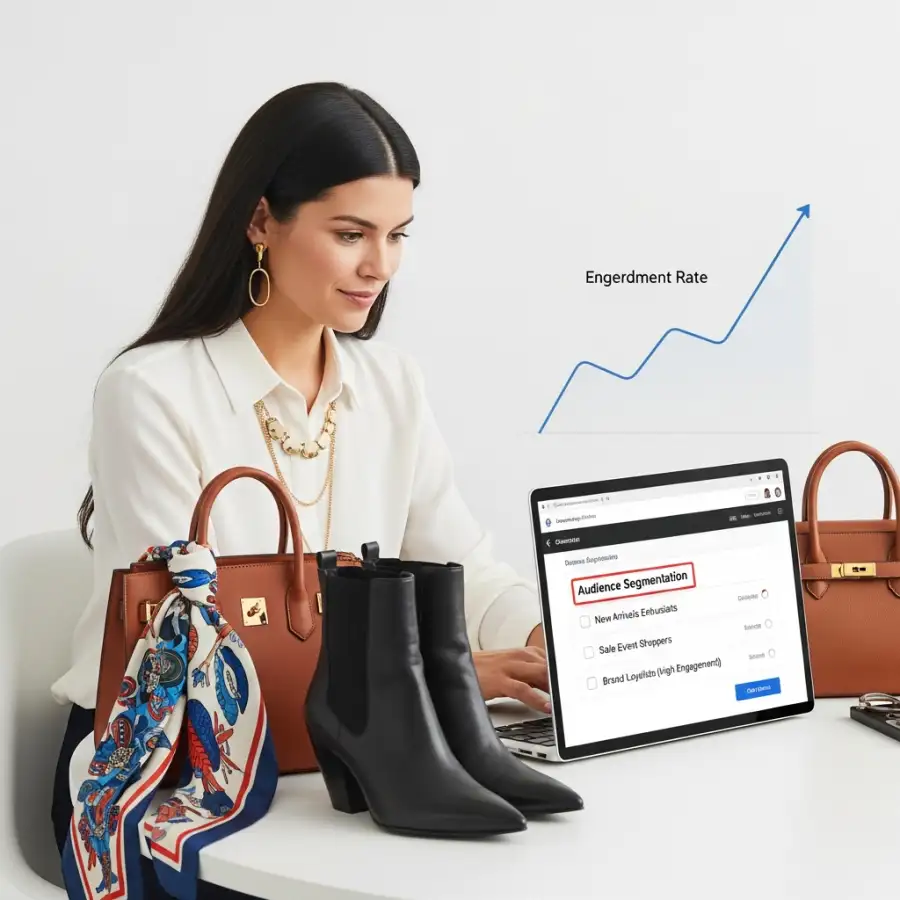
Are your fashion emails getting lost in the inbox abyss? It doesn't have to be that way.
By understanding your audience and sending the right message at the right time, you can drastically improve your email marketing results.
Discover actionable email segmentation strategies tailored specifically for fashion e-commerce, and start turning subscribers into loyal customers.
Email marketing remains a powerful tool for fashion businesses, driving sales, building brand loyalty, and fostering customer relationships. However, in today's crowded digital landscape, generic, one-size-fits-all email campaigns simply don't cut it. The key to email marketing success in the fashion industry lies in effective segmentation: dividing your audience into distinct groups based on shared characteristics and tailoring your messages to their specific interests and needs. This guide dives deep into email segmentation strategies for fashion, providing you with actionable insights and examples to elevate your email marketing game.
From understanding your customer base to crafting compelling content, we'll explore various segmentation techniques, best practices, and real-world examples to help you create targeted email campaigns that resonate with your subscribers and drive conversions. Let's get started.
Quick navigation
Understanding the Power of Email Segmentation
Why bother segmenting your email list? Isn't it easier to just send the same email to everyone? While the latter might seem easier, it's far less effective. Email segmentation is the practice of dividing your email list into smaller groups based on shared characteristics. This allows you to send more relevant, personalized messages that resonate with each segment, leading to higher engagement rates, increased click-through rates, and ultimately, more sales. Think of it as tailoring a personal shopping experience for each customer.
Consider these benefits:
- Increased Relevance: Segmented emails are more likely to be relevant to subscribers' interests.
- Higher Engagement: Relevant content leads to higher open and click-through rates.
- Improved Conversions: Targeted offers and product recommendations drive more sales.
- Reduced Unsubscribes: Subscribers are less likely to unsubscribe when they receive relevant content.
- Better ROI: Effective segmentation leads to a higher return on investment for your email marketing efforts.
By taking the time to understand your audience and segment your list, you can create more effective email campaigns that deliver tangible results for your fashion e-commerce business. But where do you begin?
Demographic Segmentation
Demographic segmentation involves grouping your subscribers based on their demographic characteristics. This includes age, gender, location, income, and education. This data is often collected during the signup process or through surveys. This type of segmentation allows you to tailor your messaging to specific groups and offer products that align with their needs and preferences. However, how can you collect and use this information ethically and effectively?
Examples of Demographic Segmentation in Fashion:
- Age: Target specific age groups with age-appropriate styles and trends. For example, a young adult fashion brand could send emails showcasing the latest streetwear trends to subscribers aged 18-25, while a luxury fashion brand could focus on classic styles for subscribers aged 35+.
- Gender: Segment your list by gender to promote relevant products. Send targeted emails featuring women's or men's collections based on the subscriber's identified gender.
- Location: Tailor emails based on location, featuring seasonal collections appropriate for the climate in that region. You could also promote local events or offer promotions specific to a particular area.
- Income: Offer promotions and products that align with the estimated income level of your subscribers. For example, offer discounts on premium brands to those with higher income levels.
Behavioral Segmentation
Behavioral segmentation involves grouping your subscribers based on their actions and interactions with your brand. This includes website activity, email engagement, purchase history, and more. This method of segmentation provides valuable insights into customer preferences and behaviors. This helps you to predict future actions and create highly targeted email campaigns. But how do you track this behavior effectively?
Examples of Behavioral Segmentation in Fashion:
- Website Activity: Track which products your subscribers view and send targeted emails featuring those items or similar products. For example, if a subscriber views a specific dress on your website, you can send them an email showcasing that dress or related items.
- Email Engagement: Identify subscribers who frequently open and click on your emails and send them exclusive offers or early access to sales. Conversely, re-engage inactive subscribers with special promotions to encourage them to interact with your brand again.
- Purchase History: Segment customers based on their past purchases. This allows you to send targeted recommendations for complementary products or offer exclusive discounts on items they have purchased before.
- Abandoned Cart: Send automated emails to subscribers who have added items to their cart but did not complete the purchase. This is a crucial strategy to recover lost sales by reminding them of the items they were interested in.
Segmentation Based on Purchase History
Purchase history segmentation goes beyond basic behavioral segmentation. It leverages the data of what a customer has actually bought. This deep understanding of past purchases allows for highly personalized and effective email campaigns. What are some of the most effective strategies for leveraging purchase history in fashion e-commerce?
Examples of Purchase History Segmentation in Fashion:
- Repeat Purchasers: Identify customers who have made multiple purchases and reward them with exclusive discounts, early access to sales, or personalized recommendations.
- Product-Specific Segmentation: Segment customers based on the specific products they have purchased. For example, if a customer bought a pair of jeans, send them emails about matching tops, accessories, or other related products.
- Customer Lifetime Value (CLTV): Segment customers based on their CLTV. This allows you to identify your most valuable customers and provide them with personalized offers and experiences to increase their loyalty and spending.
- Seasonality: Analyze purchase history to determine seasonal preferences. Offer tailored recommendations based on past purchases during specific seasons, such as summer dresses in the spring or winter coats in the fall.
Geographic Segmentation
Geographic segmentation involves grouping your subscribers based on their location. This can range from country and region to city and even local climate. This type of segmentation is particularly valuable for fashion businesses that sell seasonal products or have a strong local presence. But how does this differ from the demographic example above?
Examples of Geographic Segmentation in Fashion:
- Climate-Based Targeting: Send emails featuring weather-appropriate clothing. For example, promote winter coats to subscribers in colder climates and summer dresses to those in warmer climates.
- Local Events: Promote events or sales specific to a certain region. If you're hosting a pop-up shop in a particular city, send emails to subscribers in that area to encourage them to attend.
- Shipping Zones: Offer free shipping or special promotions based on shipping zones. This can be an incentive for customers in specific areas to make a purchase.
- Language-Based Segmentation: If you operate in multiple countries, segment your list by language preference to ensure your emails are easy to understand.
What this means for you
Implementing effective email segmentation strategies can significantly enhance your fashion e-commerce business. By dividing your audience into relevant segments and tailoring your email campaigns, you can increase engagement, drive conversions, and build stronger customer relationships. Ultimately, it allows you to communicate with your customers in a way that feels more personal and relevant. This leads to higher customer satisfaction and increased loyalty.
Start by analyzing your current customer data and identifying key segments. Consider demographic, behavioral, purchase history, and geographic factors. Use this data to craft personalized email content that resonates with each segment's unique needs and preferences. Experiment with different segmentation strategies and analyze your results to continuously optimize your campaigns for maximum impact. By embracing email segmentation, you can unlock the full potential of your email marketing efforts and drive significant growth for your fashion business.
Risks, trade-offs, and blind spots
While email segmentation offers numerous benefits, it's essential to be aware of potential risks, trade-offs, and blind spots. Understanding these can help you avoid common pitfalls and ensure your segmentation strategy is effective and ethical. What are the key considerations?
- Data Privacy and Compliance: Always comply with data privacy regulations such as GDPR and CCPA. Be transparent about how you collect and use customer data.
- Over-Segmentation: Avoid segmenting your list too finely, as this can result in too many email variations and decreased efficiency.
- Data Accuracy: Ensure the accuracy of your customer data. Inaccurate data can lead to irrelevant content.
- Resource Intensive: Creating and managing segmented email campaigns requires time and resources.
- Email Fatigue: Be mindful of the number of emails you send. Avoid overwhelming your subscribers.
Main points
Email segmentation is a powerful tool for fashion e-commerce businesses to increase engagement, drive conversions, and build stronger customer relationships. By understanding and implementing these email segmentation strategies, you can significantly enhance your email marketing performance.
- Demographic Segmentation: Group customers by age, gender, location, and income to tailor product recommendations and promotions.
- Behavioral Segmentation: Analyze website activity and email engagement to create targeted campaigns based on user behavior.
- Purchase History Segmentation: Leverage past purchases to send personalized product recommendations and exclusive offers.
- Geographic Segmentation: Tailor content based on location, climate, and local events to increase relevance.
- Prioritize Data Privacy: Adhere to data privacy regulations and be transparent about data usage.
- Optimize and Test: Continuously test and refine your segmentation strategies based on performance data.
- Personalize Subject Lines: Use personalization in subject lines to increase open rates.
- Offer Exclusive Content: Provide subscribers with exclusive content and early access to sales.
Implement these strategies today to transform your email marketing into a powerful engine for fashion e-commerce success. By segmenting your audience and delivering highly personalized content, you can create more meaningful connections with your customers, drive engagement, and boost your bottom line.