
Expensive Branding: How Brands Decide If It's Worth It
A guide to understanding the costs and benefits of branding investments.
Every brand faces a question: is investing in premium branding worth the high price? The answer is not simple. It requires calculating value, vision, and long-term goals.
The cost of branding can be high, from making a memorable logo to building a brand identity. The right branding can lead to growth and customer loyalty. How do you know when to spend more?
This guide will explore the factors that affect branding decisions. It will also look at the costs. You can then see if expensive branding fits your business goals and budget.
Branding is more than a logo or slogan. It is a company's identity and promise to the consumer. Businesses must consider if they should invest in expensive branding. This requires looking at the costs and long-term benefits. You need to understand the details of this decision, including the costs and potential returns. You also need to align your strategy to make the right choice.
This is a guide to help you. It gives insights and tools to help you with branding. If you are a startup or an established brand, this article gives you the knowledge to make informed decisions. You can get the most from your branding investment. You will understand if expensive branding is right for your business. You will also learn how to succeed.
Quick navigation
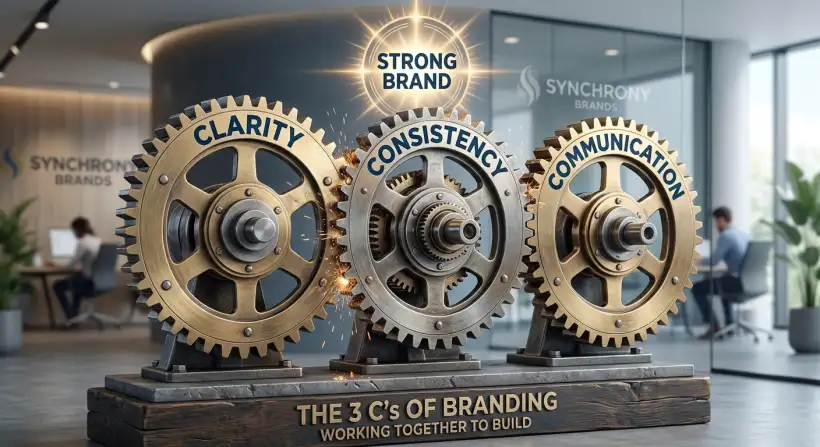
The Core of Branding: The 3 C's
Before you look at the money, you must understand the basics of branding. The "3 C's" of branding give you a base for understanding the parts that make up a brand. These parts shape a brand's identity and value. They are needed for any business that wants to be strong in the market. What are these three important parts? How do they work together?
The 3 C's are:
- Company: This includes your brand's mission, vision, values, and unique selling proposition (USP). What makes your business different? What are its core beliefs and goals? Understanding your company is the first step in creating a real brand.
- Customers: Knowing your target audience is key. Who are you trying to reach? What do they need and want? What are their problems? Customer insights help you with product development and marketing. This ensures your brand connects with its audience.
- Competition: Analyze your competitors. What are their strengths and weaknesses? How can your brand be different and get market share? Understanding the competition helps you position your brand well.
By focusing on these areas, businesses can create a clear brand identity. They can also create a solid base for marketing. Not addressing these areas often leads to unclear messaging and a weak brand. If you understand each of the 3 C's, you can decide if you should invest in expensive branding.
Calculating Branding Costs
Branding costs vary. They depend on the project, resources, and expertise. Costs can change a lot, from starting a brand to keeping it going. Are you ready for the parts that make up a branding budget?
Here is a breakdown of common branding costs:
- Brand Strategy: This includes market research, brand audits, competitive analysis, and creating your brand's core messaging, values, and positioning. Costs can be from $5,000 to $50,000 or more, depending on the strategy.
- Visual Identity: Creating a logo, color scheme, typography, and visual assets is key. Costs are usually between $2,000 and $20,000. This depends on the design and the firm.
- Brand Guidelines: This is a document that shows how to use the brand's visual and verbal elements. It keeps things consistent across marketing. This can cost $1,000 to $10,000.
- Website Design & Development: Your website is often the first thing a customer sees. The cost varies based on design and features. It can be $5,000 to $100,000+ for a custom site.
- Marketing Materials: Costs for creating brochures, business cards, social media templates, and other marketing assets. Costs vary based on the materials, from a few hundred to several thousand dollars.
- Ongoing Maintenance: Updating brand assets, managing social media, content creation, and other activities. Costs vary depending on the resources.
Think of branding costs as an investment, not an expense. Good branding can give you long-term returns. When you look at these costs, consider the potential for brand awareness, customer loyalty, and a higher return on investment. The decision to invest in expensive branding needs a clear understanding of these costs and benefits.
What this means for you
Deciding whether to invest in expensive branding requires more than just looking at the costs. If you are a business owner or marketing professional, you must see how branding affects your business goals. What are the key takeaways?
Here is what expensive branding means for you:
- Enhanced Brand Perception: A well-done branding strategy can improve how your brand is seen. This can lead to trust, credibility, and desirability for your audience.
- Differentiation in the Market: In a competitive market, expensive branding can help your business stand out. Unique brand identities, marketing campaigns, and a strong brand voice help make your brand memorable and different.
- Higher Customer Loyalty: A strong brand makes customers feel connected. This leads to loyalty and repeat business. This is key for long-term success.
- Attracting Top Talent: Companies with strong brands often find it easier to get and keep top talent. Employees want to be part of successful brands, especially in creative fields.
- Pricing Power: Customers often pay more for brands they trust and like. Expensive branding can make it possible to charge more for your products or services.
- Increased Marketing Efficiency: With a clear brand and consistent messaging, marketing is more effective. This leads to better campaigns and more efficient use of marketing money.
Expensive branding is not just about looks. It is a way to build a strong brand identity. This aligns with your business goals. Businesses must consider the short-term and long-term effects. The benefits of comprehensive branding are significant for those who invest strategically. It can set your business apart from its competition.
The ROI of Branding: Measuring Success
Measuring the return on investment (ROI) of branding can be difficult. The benefits often go beyond sales. Branding affects many parts of a business. These range from brand awareness to customer loyalty and financial growth. How do you measure the effectiveness of your branding?
Key metrics and methods for measuring the ROI of branding include:
- Brand Awareness: Measure brand recognition and recall through surveys, social media analytics, and website traffic. This shows how well your brand is known.
- Customer Loyalty: Track repeat purchases, customer lifetime value (CLTV), and Net Promoter Scores (NPS) to see how your branding efforts have built customer loyalty.
- Market Share: Watch changes in market share to see if your branding is helping your brand.
- Sales and Revenue Growth: Sales data is a way to see how effective your branding is. Analyze sales before and after branding.
- Website Traffic and Engagement: Analyze website traffic, bounce rates, time on site, and social media engagement. This shows how your branding drives traffic and user interaction.
- Cost per Acquisition (CPA): Look at marketing costs and the number of customers. You can then measure how well your branding strategies generate leads and convert them.
- Brand Equity: Brand equity is the value of a brand beyond its assets. It is often calculated through brand valuation studies. These look at brand awareness, customer loyalty, and market share.
By tracking these metrics, businesses can understand their branding strategies. They can also make data-driven decisions to improve. Results take time, so be patient. Consistent evaluation is key for long-term success. Measuring these metrics is important to see the value of your branding and to justify the investment.
Risks, trade-offs, and blind spots
Investing in expensive branding can be good, but it has risks. The money and time you put into branding may not always lead to returns. What are the possible problems businesses should know about?
- High Upfront Costs: Expensive branding can be a big initial investment. This can strain finances, especially for new or small businesses.
- No Guaranteed ROI: There is no guarantee that expensive branding will increase sales. ROI depends on many things. These include how well you do things, the competition, and market trends.
- Time Commitment: Developing a branding strategy takes time. It requires research, planning, design, and execution. This can take resources away from other business activities.
- Brand Inconsistency: If the brand identity is not used consistently, it can confuse customers. It also reduces the value of your branding.
- Marketing Mistakes: Poor marketing can damage a brand's reputation.
- Market Sensitivity: Changes in market trends can require changes to your brand. Businesses must be adaptable.
If you understand these risks, you can make better decisions. You can also create strategies to improve your chances of success. Being aware of the risks allows you to plan. You can then improve the likelihood of a good outcome. Without careful planning and understanding of the risks, expensive branding can be a costly mistake.
Is Expensive Branding Right for You?
Deciding if expensive branding is right for your business requires a look at your goals, resources, and market position. Do you have the tools to make this decision?
Consider these factors:
- Business Objectives: Define your short-term and long-term goals. If your goal is to build a strong brand and get customer loyalty, expensive branding may be worth it.
- Budget: Assess your financial resources. Make sure you have the money for all parts of the project.
- Target Audience: Research your audience. See if the value of high-end branding will connect with your audience.
- Competition: Analyze your competitors' branding. See how expensive branding can make your business different.
- Brand Perception: See how your brand is seen now. If your brand needs to be updated, expensive branding can give you a fresh start.
- Brand Alignment: Make sure the new branding matches your brand's values, mission, and vision.
If expensive branding aligns with your goals, follow these steps to succeed:
- Research: Do market research, understand your audience, and analyze the competition.
- Plan: Create a branding strategy with clear goals, timelines, and budgets.
- Collaborate: Work with branding professionals to benefit from their expertise.
- Implement: Use your branding strategy on all channels.
- Measure: Track key performance indicators and make changes.
Expensive branding can be a good investment. It requires planning and execution. If you evaluate your goals, understand the market, and use a good strategy, you can make your brand successful.
Main points
Investing in expensive branding can be a good move. It requires evaluation and planning. Businesses must consider costs, risks, and returns. This helps them decide if it fits their goals. Here is a summary of the main points:
- Understand the 3 C's of Branding: Branding is about the Company, Customers, and Competition.
- Calculate the Costs: Branding costs can be from a few thousand to tens of thousands of dollars. It depends on the project.
- Define Your Goals: See if expensive branding fits your business goals. Assess your budget, audience, and competition.
- Measuring ROI: Measuring ROI is complex. Key metrics include brand awareness, customer loyalty, market share, sales growth, and website engagement.
- Evaluate the Risks: High costs, time, brand inconsistency, and market changes are risks. Consider them carefully.
Are you ready to improve your brand? A branding strategy can be a game-changer. Learn more about branding by visiting our guide and SEO resources today!