

Why Keyword Research Tools Are Giving Wrong Data: The Hidden Truth in SEO
The Great Discrepancy in Modern Search Optimization
Navigating the complex landscape of modern Search Engine Optimization requires absolute precision, yet professionals constantly find themselves frustrated by conflicting metrics. When you enter the exact same seed keyword into Ahrefs, SEMrush, Moz, and Google Keyword Planner, you will almost invariably receive wildly different search volume estimates, keyword difficulty scores, and traffic projections. This inconsistency is not merely a minor glitch or a slight miscalculation; it represents a fundamental flaw in how third-party software aggregates, processes, and presents search engine data to end-users. Marketers rely heavily on these numbers to allocate substantial budgets, guide content creation strategies, and predict return on investment, making these discrepancies a critical issue. Understanding why these tools provide inaccurate or misleading data is the first step toward building a more resilient, reality-based organic growth strategy that does not blindly follow flawed dashboard metrics.
Historically, search professionals relied exclusively on Google’s own Keyword Planner to understand user behavior, assuming it was the ultimate source of truth. However, Google designed this specific platform strictly for paid advertisers, not for organic content creators or SEO specialists. Over the years, Google deliberately began obfuscating exact search volumes, grouping related terms together, and restricting detailed data access for accounts that did not spend heavily on paid campaigns. This massive data vacuum paved the way for third-party platforms to step in and offer alternative data models. While these independent platforms have built incredibly sophisticated algorithms, they are essentially forced to make educated guesses based on fragmented data streams. They do not have direct, unrestricted access to Google’s internal servers, meaning every number you see on your dashboard is an estimation, an extrapolation, or an average, rather than a hard, unchangeable fact.
How Data is Actually Collected and Processed
Understanding the backend architecture of these platforms is crucial for recognizing why their output often misses the mark. Most major platforms rely on a combination of Google Ads API data and clickstream data acquired from third-party browser extensions and software. Clickstream data essentially tracks the actual browsing behavior of millions of internet users, recording exactly what they type into search bars and which links they ultimately click. While this sounds incredibly accurate in theory, the reality is that clickstream data panels only represent a tiny, highly specific fraction of the global internet population. If a tool's clickstream panel skews heavily toward tech-savvy users in North America, its global volume estimations for niches like agriculture or local services in emerging markets will be severely compromised. The algorithms attempt to normalize this data, but the foundational sample size is inherently biased.
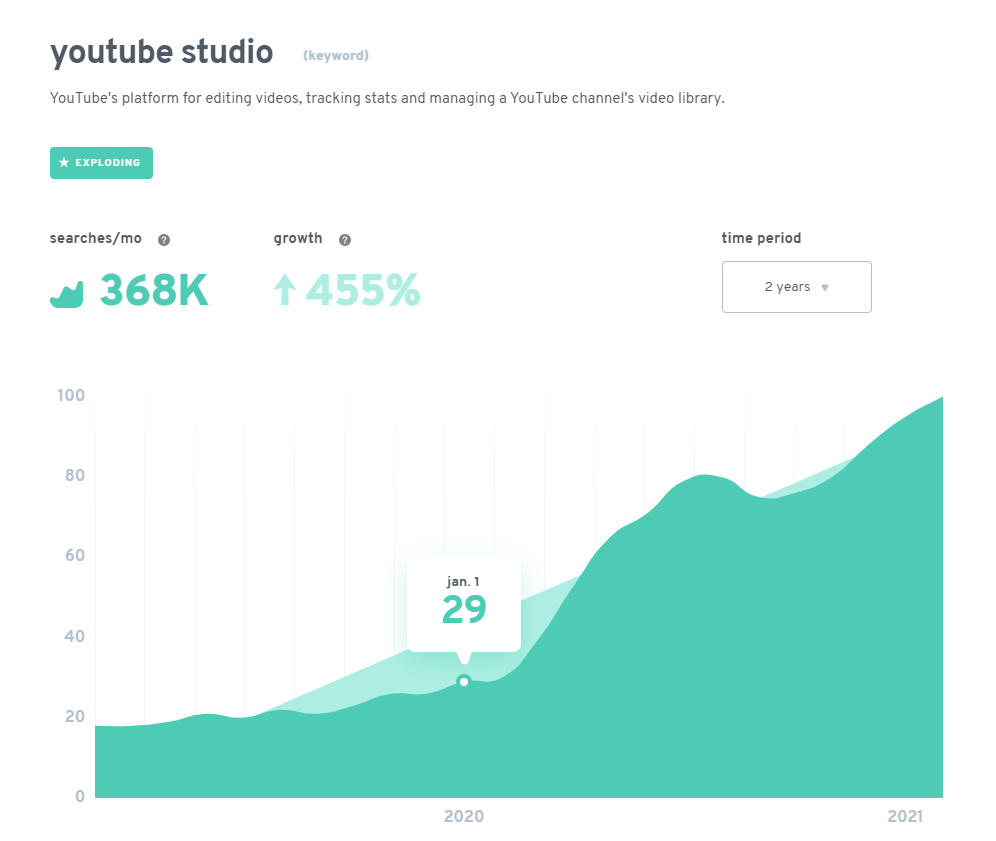
Visualizing the volatility and reporting delays in historical search volume metrics.
Furthermore, the integration of Google Ads API data introduces its own set of profound limitations and inaccuracies. Google actively clusters similar keywords, meaning it takes distinct search queries with completely different user intents and bundles their search volumes together under a single umbrella term. For example, Google might combine the search volume for "how to fix a leaky faucet" and "plumber for leaky faucet" even though one is an informational query and the other is highly transactional. When third-party platforms ingest this clustered data, they often struggle to uncouple the metrics accurately. As a result, SEOs might target a keyword believing it receives ten thousand monthly searches, only to rank number one and discover the actual volume for that specific variation is a mere fraction of the promised number. This grouping mechanism is one of the primary reasons why actual organic traffic rarely perfectly mirrors dashboard predictions.
The Annual Average Trap vs. Monthly Reality
Seasonal fluctuations represent another massive blind spot for standard metric reporting across the industry. When an SEO platform displays a "monthly search volume" number, it is almost always presenting an annualized average—the total searches over the past twelve months divided by twelve. This mathematical approach completely destroys the nuanced reality of seasonal trends, viral moments, and shifting consumer behaviors. Consider a query like "tax preparation software." In the United States, this term experiences an explosive surge in searches between January and April, followed by near-total dormancy for the rest of the year. If a platform reports an average of fifty thousand monthly searches, an inexperienced marketer might expect consistent traffic year-round. Launching a campaign for this keyword in August based on that annualized average will result in profound disappointment and a complete waste of promotional resources.
Moreover, this reliance on historical averages makes platforms devastatingly slow at identifying emerging trends and brand new search concepts. The internet moves at breakneck speed, with new terminology, products, and cultural phenomena generating millions of searches practically overnight. Because platforms rely on a trailing twelve-month average, a newly trending topic might display a search volume of zero for months before the algorithms finally catch up and update their databases. Savvy content creators who recognize this flaw actively target "zero volume" keywords, knowing that the tools are simply lagging behind actual human behavior. By the time the platforms officially register a high search volume for a new topic, the search engine results pages are already saturated with highly optimized content from first movers, making it incredibly difficult for latecomers to secure top rankings.
Zero-Click Searches and The Traffic Illusion
Search volume fundamentally does not equal organic traffic, a harsh reality that many digital marketers learn the hard way. Over the past decade, Google has aggressively transformed from a traditional search engine that routes users to external websites into an "answer engine" designed to keep users within its own ecosystem. Through the implementation of Featured Snippets, Knowledge Panels, interactive widgets, and AI-generated overviews, Google now directly answers a massive percentage of queries right on the results page. This phenomenon has given rise to the "zero-click search," where a user searches for a term, reads the answer provided by Google, and closes the tab without ever clicking on a single organic link. A keyword might legitimately boast one hundred thousand searches per month, but if it is a simple factual question, the actual click-through rate to websites might be less than five percent.
Consequently, relying solely on high search volume metrics is a dangerous game that often leads to traffic stagnation. Platforms are attempting to counter this by introducing "Clicks per Search" metrics, but these estimates remain highly speculative. The visual layout of a search engine results page (SERP) is dynamic and changes based on user location, device, and personalized search history. A keyword that yields standard blue links on a desktop computer might trigger an aggressive, screen-dominating local map pack on a mobile device, drastically altering click distribution. SEO professionals must manually inspect the actual SERP for their target keywords rather than blindly trusting the platform interface. If the top of the page is dominated by sponsored ads, video carousels, and instant answers, even ranking in the number one organic spot might fail to deliver meaningful traffic to your landing page.
Personalization, Localization, and Device Impact
Algorithms utilized by search engines have evolved to provide highly individualized experiences, making static keyword data increasingly obsolete. Two people sitting in different cities, using different devices, and possessing different browsing histories will almost certainly see completely different results when typing the exact same query. A generic search for "best coffee shop" is inherently hyper-local; Google utilizes GPS data and IP addresses to serve results relevant to the user's immediate physical vicinity. However, keyword platforms generally provide a broad, national, or global search volume number that strips away this crucial localized context. A local business optimizing for a broad term based on massive national search volume is setting itself up for failure, as they will never appear in front of users outside their specific geographic radius, regardless of their content quality or backlink profile.
Additionally, the profound split between mobile and desktop user intent dramatically skews data reliability. Mobile users frequently utilize voice search, phrasing their queries as long, conversational questions rather than short, staccato keywords. Keyword platforms are notoriously bad at tracking voice search data accurately because natural language processing creates infinite variations of the same fundamental question. Furthermore, a user searching on a mobile device often possesses higher immediate transactional intent compared to a desktop user conducting preliminary research. Platforms struggle to accurately segment volume by device type, leaving marketers guessing about the true nature of the traffic they are attempting to capture. Ignoring the device-specific context of a search query often leads to creating content that fundamentally fails to align with the user's immediate needs and physical context.
Long-Tail Keywords: The Hidden Goldmine Data Overlooks
Marketers frequently ignore highly profitable long-tail keywords simply because their software dashboards report them as having zero or near-zero search volume. This is perhaps the most damaging consequence of relying too heavily on flawed data. Because third-party clickstream panels only capture a fraction of internet traffic, highly specific, ultra-niche queries often slip through the cracks entirely. Yet, Google itself has repeatedly stated that approximately fifteen percent of all searches conducted every single day are entirely new and have never been seen before. These unique, hyper-specific queries are inherently long-tail and boast exceptional conversion rates because they reflect a user who knows exactly what they want. By dismissing these terms based on platform data, content creators leave massive amounts of high-converting traffic on the table for their competitors to easily acquire without resistance.
Strategic content creation in the modern era requires looking beyond the raw numbers and utilizing common sense to predict user needs. If you are selling a highly specialized piece of industrial equipment, it logically follows that engineers will be searching for very specific technical specifications and troubleshooting guides related to that machinery. Even if every tool on the market claims those technical queries have zero monthly volume, your domain expertise dictates that the audience exists and requires answers. Building comprehensive, deeply authoritative content around these supposedly "zero-volume" topics often results in a steady stream of highly qualified, ready-to-buy traffic. The data tools should act as a compass to point you in a general direction, but they should never serve as a straightjacket that prevents you from answering the real, nuanced questions your target audience is asking.
Detailed Comparison of Tool Data Discrepancies
Comparing the methodologies of various tools highlights exactly why the metrics wildly diverge. The following table breaks down the core differences in how major platforms estimate their data, providing clarity on why cross-referencing is essential for a balanced strategy.
| SEO Tool / Source | Primary Data Source | Known Limitations & Weaknesses |
|---|---|---|
| Google Keyword Planner | Direct Google Data | Groups keyword variants together; provides vague ranges (e.g., 10K-100K) unless running active paid ads. |
| Ahrefs | Clickstream + Google Data | Excellent at filtering out bot traffic, but can severely underestimate search volume for newer or long-tail queries. |
| SEMrush | Machine Learning Algorithms | Frequently updates databases, but estimations can sometimes inflate actual organic potential due to complex modeling. |
| Moz | Aggregated Third-Party Data | Provides broader volume ranges rather than exact numbers, which is safer but less precise for strict budget planning. |
Key Takeaways for Modern SEO Success
Adapting to this environment requires a massive shift in mindset. You must stop treating dashboard numbers as absolute mathematical truths and start viewing them as directional indicators. To build a robust strategy that withstands data inaccuracies, consider the following actionable guidelines:
- Always inspect the actual SERP manually: Before committing resources to a keyword, open an incognito window and analyze the actual search results. Determine if zero-click features dominate the top of the page.
- Prioritize topic clusters over individual keywords: Stop obsessing over the volume of one specific term. Write comprehensive content that covers an entire topic naturally, capturing dozens of variations and long-tail terms simultaneously.
- Trust zero-volume keywords in your niche: If your industry expertise tells you a specific question is important to your customers, write the article regardless of what the software claims the search volume is.
- Use Google Search Console as your true north: Once you publish content, rely on your own Google Search Console data to see exactly what actual queries are generating impressions and clicks. This is the only unadulterated data available.
- Factor in commercial intent above volume: A keyword with 200 monthly searches and high buyer intent will always generate more revenue than an informational keyword with 20,000 searches.
Frequently Asked Questions (FAQ)
1. Why do Ahrefs and SEMrush show completely different search volumes?
Different platforms use entirely different mathematical models, clickstream data partners, and update frequencies. They are essentially applying different statistical algorithms to fragmented data samples, naturally resulting in different final estimations.
2. Should I completely stop using keyword research tools?
Absolutely not. These platforms are incredibly valuable for discovering topic ideas, analyzing competitor backlink profiles, and understanding general directional trends. You simply need to stop treating their search volume metrics as exact guarantees of future traffic.
3. How can I find the true search volume of a keyword?
Currently, the only way to test exact search volume and click-through rates with near 100% accuracy is to run an exact-match Google Ads campaign for that specific keyword and analyze the resulting impression data.
4. What is a "Zero-Click Search" and why does it matter?
Essentially, it occurs when a user gets their answer directly from the Google results page (like a weather forecast or quick definition) without clicking any links. It matters because high search volume keywords with zero-click intent will bring you zero traffic.
Ultimately, the most successful digital marketers and SEO professionals are those who blend data analysis with deep human empathy. They use tools to gather initial intelligence but rely on their understanding of their target audience's pain points to build the final content architecture. Stop writing exclusively for the algorithms that power third-party software, and start writing for the human beings who are desperately seeking accurate, comprehensive solutions to their problems. The true metric of success is not how much hypothetical volume a dashboard promises, but how effectively your content drives qualified leads, captures email subscribers, and generates actual revenue for your business.