

Facebook Ads vs. Google Ads: Which Platform Is Right for Your Business?
A comprehensive comparison to help you choose the best advertising platform.
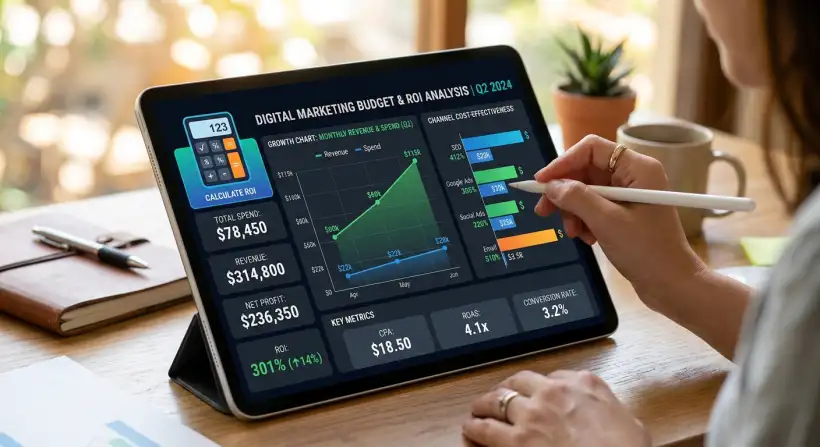
Do you want to grow your business? Are you unsure which platform offers the best return on your advertising investment? Facebook Ads and Google Ads are major players in digital advertising. They both promise to connect you with your ideal customers.
Choosing between them can be difficult. Understanding their differences is key to finding the right strategy for your goals.
This guide will examine the core features, strengths, and weaknesses of Facebook Ads and Google Ads. It will help you make an informed decision that fits your budget and business objectives.
Businesses constantly seek effective ways to reach their target audiences in online advertising. Two platforms stand out: Facebook Ads and Google Ads. Both have tools for driving traffic, generating leads, and increasing sales. They work on different principles. Understanding these differences is important for creating a successful advertising strategy.
This comparison explores Facebook Ads versus Google Ads. It looks at their features, targeting options, costs, and overall effectiveness. This guide provides the insights you need to make the right choice for your business. It is for startups with limited budgets or established businesses looking to improve their marketing.
Quick navigation
Facebook Ads vs. Google Ads: An Overview
Facebook Ads and Google Ads have different approaches to advertising. Facebook Ads use social connections and user behavior to show ads. Google Ads focuses on search intent and context. It places ads with search results and on websites within the Google Network.
Facebook Ads are good at building brand awareness. They also target specific demographics, interests, and behaviors. Google Ads is good at capturing demand. It connects businesses with users searching for products or services. Which is the best choice for you?
Targeting Capabilities: Who Are You Trying to Reach?
One of the biggest differences between Facebook Ads and Google Ads is their targeting. Facebook lets you target users based on their profiles, interests, behaviors, and demographics. This is useful for reaching niche audiences or those who fit a specific customer profile. Do you know your customer?
Google Ads focuses on keyword targeting and audience segments based on search queries and website behavior. This approach is effective for capturing users searching for products or services. Google also offers remarketing. This lets you re-engage website visitors who have shown interest in your business.
Ad Formats: The Creative Playground
Ads that are visual and interactive attract attention and drive engagement. Facebook Ads offer many ad formats, including image ads, video ads, carousel ads, and lead generation forms. These formats are designed to engage users within the social media environment. Do you have video assets to bring in customers?
Google Ads mainly uses text-based search ads. It also supports display ads (image and video) and shopping ads (for e-commerce businesses). The right format depends on your advertising goals and the platform's strengths. Selecting the right ad format for your campaigns is critical.
Cost and Budget: How Much Will It Cost?
The cost of advertising on Facebook and Google depends on competition, ad quality, targeting options, and the market. Both platforms use a bidding system. Advertisers compete for ad placements based on their bids and ad quality scores. Can you get away with only spending $10 a day?
Facebook Ads often have a lower cost-per-click (CPC) than Google Ads, especially for highly targeted campaigns. However, conversion rates might be lower. This is because users are not actively searching for products or services. Google Ads, with its focus on search intent, often has higher CPCs. It can deliver a higher return on investment (ROI) for businesses targeting specific keywords. Your budget is important, so selecting the right platform could give you a much better return.
What this means for you
The choice between Facebook Ads and Google Ads depends on your business goals, target audience, and budget. Facebook Ads are a good choice for building brand awareness, reaching specific demographics, and driving engagement. Google Ads are ideal for capturing demand, targeting users searching for products or services, and generating leads.
Consider your business's niche, your customers' buying journey, and how you want to present your ads. Experimenting with both platforms is also an option to determine which one works best for you.
Risks, trade-offs, and blind spots
Each platform has risks and limitations. Facebook Ads can be less effective for immediate sales. Users may not be actively seeking to buy. Google Ads requires a deep understanding of keyword research and ad copy optimization to get a high ROI. Failing to monitor and optimize your campaigns on either platform can waste ad spend.
Your results may vary. What works for one business might not work for another. Consistent monitoring, data analysis, and A/B testing can help lower these risks and improve your advertising campaigns.
Main points
- Facebook Ads are good for brand awareness. They reach specific demographics through detailed targeting.
- Google Ads focuses on capturing demand. It targets users who are actively searching for products or services through keyword targeting.
- Facebook Ads offer ad formats, including image, video, and carousel ads. These are good for social media engagement.
- Google Ads mainly uses text-based search ads, along with display and shopping ads. These cater to search-based intent.
- The cost on both platforms varies but can be higher on Google Ads because of direct search intent.
- Successful advertising involves constant monitoring and optimization of campaigns on both platforms.
- Consider your business goals, target audience, and budget to find the best platform.
- Experimenting with both platforms helps you find the most effective advertising strategy for your business.
Are you ready to make the most of digital advertising? Whether you choose Facebook Ads, Google Ads, or both, remember that success comes from careful planning, continuous optimization, and understanding your target audience. If you want to dive deeper into the world of SEO and digital marketing, check out this great guide: Sustainable Fashion SEO Ranking Guide. Good luck!