

How Inventory Management Works Inside an ERP System
A Comprehensive Guide
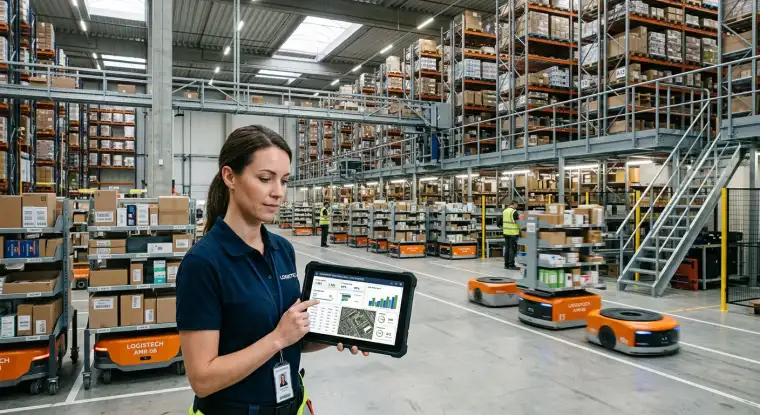
Are you always dealing with stockouts or struggling to track your inventory? Many businesses face these challenges.
Imagine a clear, real-time view of all your inventory, from raw materials to finished products. That is the power of good inventory management within an ERP system.
This guide explains how ERP inventory management works, its benefits, and how it can change your business operations.
Efficient inventory management is important for success in today's business environment. Inventory is often a large investment for businesses. Controlling it is key for profit and customer satisfaction. Enterprise Resource Planning (ERP) systems offer integrated solutions to manage business aspects, including inventory. This guide explores ERP inventory management. It covers its functions, benefits, and how to implement it.
Good inventory management is critical in all types of businesses. It is especially important for businesses that sell many physical products. The core of effective inventory management is having the correct amount of stock, in the right place, at the right time. But what is ERP inventory management, and how does it work?
Quick navigation
What this means for you
Understanding how inventory management works within an ERP system gives you real benefits. You will have lower costs, better efficiency, and improved decision-making. You will also have more time for important tasks.
The goal is to give you a complete understanding of how ERP inventory management helps streamline your processes, cut costs, and increase customer satisfaction. Are you ready to begin?
How ERP Inventory Management Works
At its core, ERP inventory management is a complete system. It combines and automates the processes of tracking, managing, and controlling a company's inventory. It is a module within a larger ERP system. It works with other modules like finance, sales, and purchasing.
The system captures and processes data from different parts of the supply chain. This data can include stock levels, sales orders, purchase orders, and warehouse activities. All this information is available in real time. This gives users a clear and accurate view of the inventory status at any moment. Does this level of integration sound good?
Key Features of ERP Inventory Management
ERP inventory management systems have many features to streamline inventory processes and improve overall efficiency.
- Real-time tracking: Provides up-to-the-minute data on inventory levels, locations, and movements.
- Automated reordering: Creates purchase orders automatically when stock levels are low.
- Warehouse management: Optimizes warehouse operations, including picking, packing, and shipping.
- Inventory valuation: Calculates the value of inventory using methods like FIFO, LIFO, or weighted average.
- Reporting and analytics: Offers reports and analytics to track inventory performance and find areas to improve.
- Integration with other modules: Works with other ERP modules, such as finance, sales, and purchasing.
These features give a complete view of inventory. They allow businesses to make informed decisions and improve their supply chain.
Benefits of ERP Inventory Management
Using an ERP inventory management system brings many advantages to businesses of all sizes. Let's look at some key benefits.
- Reduced costs: Automation and optimization lead to lower labor costs, less waste, and reduced storage expenses.
- Improved efficiency: Streamlined processes and real-time data improve operational efficiency, saving time and effort.
- Enhanced accuracy: Automated data collection and fewer errors lead to more accurate inventory data.
- Better decision-making: Real-time visibility and reporting tools help businesses make informed decisions.
- Increased customer satisfaction: Better order fulfillment and fewer stockouts lead to happier customers.
The benefits of an ERP inventory management system are clear: lower costs, better efficiency, and improved profits.
Examples of ERP Inventory Management in Action
ERP inventory management can be used in many ways across different industries. Let's look at a few examples.
- Manufacturing: Manages raw materials, work-in-progress, and finished goods. This optimizes production schedules and reduces waste.
- Retail: Tracks inventory levels across stores. This ensures products are available where and when they are needed.
- Wholesale distribution: Manages inventory in warehouses and distribution centers. This streamlines order fulfillment and reduces lead times.
- E-commerce: Works with online stores to update inventory levels, track orders, and manage shipments automatically.
These examples show how ERP inventory management works in different business models.
Types of Inventory Management Systems
There are different types of inventory management systems. Each has its own strengths and weaknesses. The best choice for a business depends on its size, industry, and specific needs.
- Manual Inventory Systems: Use manual data entry and tracking methods.
- Spreadsheet-Based Systems: Use spreadsheets for inventory tracking. They can be prone to errors and hard to scale.
- Basic Inventory Software: Offer basic inventory management features, like tracking stock levels and generating reports.
- ERP Inventory Management Systems: Provide a complete solution with advanced features and integration capabilities.
Choose a system that fits your business needs.
Risks, trade-offs, and blind spots
ERP inventory management offers many advantages. There are also potential risks, trade-offs, and blind spots to consider. Understanding these things is important for a successful implementation.
- Implementation Complexity: Implementing an ERP system can be complex and take time.
- Cost: ERP systems can be expensive. This includes software costs, implementation fees, and ongoing maintenance.
- Data Accuracy: The accuracy of inventory data depends on how well data is entered and the system is set up.
- User Training: Employees need training to use the system effectively.
Plan carefully. Choose vendors and train users to reduce risks and get the most benefits from ERP inventory management.
Main points
ERP inventory management is a good tool for businesses that want to improve their inventory processes. Here are some key takeaways:
- ERP inventory management combines and automates inventory processes, providing real-time data.
- Key features include real-time tracking, automated reordering, and warehouse management.
- Benefits include lower costs, better efficiency, and improved decision-making.
- ERP inventory management is used in various industries.
- Businesses should consider the risks and trade-offs before implementation.
Understanding how inventory management works within an ERP system helps you make informed decisions. You can optimize your inventory, streamline operations, and grow your business. Consider exploring how sustainable inventory practices can enhance your system. Also, learn the essentials of clothing brand SEO to increase your brand's visibility.