

How Large Online Stores Thrive: A Guide to Multi-Store Management
Mastering the art of running multiple e-commerce businesses.
Do you want to grow your e-commerce business? Do you feel overwhelmed by managing multiple online stores? You are not alone. Many successful retailers handle this challenge.
Running multiple online storefronts can be complex. However, the potential rewards are large. You can expand your market reach, diversify revenue, and increase brand visibility.
This guide explains how to manage multiple online stores. It gives you the knowledge and strategies to succeed in the competitive e-commerce landscape.
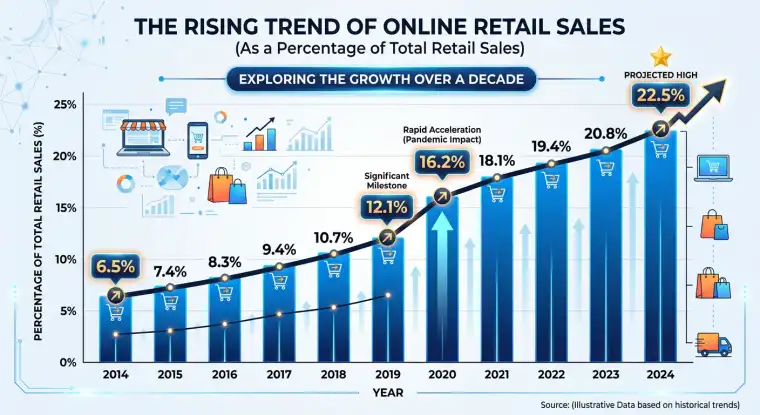
The e-commerce world changes constantly. Online sales make up more and more of retail. Large online stores must effectively manage multiple storefronts to grow. This guide covers the main strategies and technologies that make multi-store operations successful.
This article gives you a complete overview of the strategies and tools you need to do well in multi-store e-commerce. It covers multi-store platforms and inventory management. Let's begin.
Quick navigation
- Understanding the Multi-Store Landscape
- Choosing the Right Multi-Store Platform
- Inventory Management Across Multiple Stores
- Marketing and Branding Strategies
- Streamlining Operations and Fulfillment
- Data Analysis and Performance Measurement
- What this means for you
- Risks, trade-offs, and blind spots
- Main points
Understanding the Multi-Store Landscape
The multi-store landscape includes businesses that run several distinct online storefronts. These stores may serve different customer groups, sell different products, or operate in different areas. Understanding why a business uses a multi-store strategy is the first step to success. Why do businesses choose this approach?
Several things cause this trend, including:
- Market Segmentation: Targeting specific customers with specific products and branding.
- Geographic Expansion: Reaching new markets and adapting to local preferences.
- Product Diversification: Selling a wider range of products through specialized stores.
- Risk Mitigation: Reducing reliance on one brand or product line.
The decision to use a multi-store strategy often depends on market opportunity, competition, and business goals. The potential rewards are large, but the challenges are also significant. Successful multi-store management needs a strong infrastructure, streamlined processes, and a deep understanding of your audience.
Choosing the Right Multi-Store Platform
Choosing the right platform is key to multi-store success. This choice affects your ability to manage inventory, fulfill orders, and market your products. How do you evaluate the options?
Consider these things when you evaluate multi-store e-commerce platforms:
- Scalability: The platform should handle your current volume and grow with your business.
- Centralized Management: Look for features that let you manage products, inventory, and orders from one place.
- Integration Capabilities: Make sure the platform works with your existing systems. These include accounting software, CRM, and payment gateways.
- Customization Options: You must customize each store to fit its brand identity and target audience.
- SEO Features: The platform should have tools to optimize each store for search engines. These include customizable URLs, meta descriptions, and image alt tags.
Popular multi-store platforms include Shopify Plus, BigCommerce Enterprise, and Magento (Adobe Commerce). These platforms offer different features and prices. Evaluate your specific needs and budget.
Inventory Management Across Multiple Stores
Inventory management is likely the most important part of multi-store operations. Accurate inventory data is essential for fulfilling orders, avoiding overselling, and improving supply chain efficiency. How do you keep track of it all?
Effective inventory management strategies include:
- Centralized Inventory System: One source of truth for all inventory data. This ensures real-time visibility across all stores.
- Automated Updates: Use automated updates to inventory levels as orders are placed and products are shipped.
- Demand Forecasting: Use data to predict future demand and improve inventory levels.
- Warehouse Management System (WMS): Integrate a WMS to streamline warehouse operations. This includes picking, packing, and shipping.
- Real-time synchronization: Make sure your inventory data is updated across all stores and sales channels in real-time.
Invest in a strong inventory management system. This will help you avoid stockouts, prevent overselling, and improve customer satisfaction. Consider enterprise POS systems to integrate your online and in-store inventory.
Marketing and Branding Strategies
Each store in a multi-store operation may target a different audience or sell different products. A key part of multi-store management is developing separate marketing and branding strategies for each store. How do you make each store different while keeping your overall brand identity?
Key marketing and branding considerations include:
- Brand Identity: Create a unique brand identity for each store. This includes its logo, colors, and tone.
- Target Audience: Define each store's target audience and tailor your marketing messages.
- Content Marketing: Create content that interests each store's target audience.
- SEO Optimization: Optimize each store for keywords to improve search engine rankings.
- Paid Advertising: Run targeted advertising campaigns on platforms like Google Ads and social media.
- Email Marketing: Build email lists and send targeted email campaigns to promote products and drive sales.
Use a well-defined marketing strategy for each store. This will help you reach a wider audience and increase brand awareness. Using AI in your marketing can help you personalize experiences and drive sales. See recent articles for more information.
Streamlining Operations and Fulfillment
Efficient operations are the foundation of a successful multi-store business. Streamlining your processes can save time, lower costs, and improve customer satisfaction. Where do you start?
Key areas to focus on include:
- Order Management: Use an order management system that automates order processing and fulfillment.
- Shipping and Logistics: Get good shipping rates and work with reliable shipping providers.
- Customer Service: Provide excellent customer service across all stores. Use a centralized help desk or customer service portal.
- Automation: Automate tasks like order confirmation, shipping notifications, and customer follow-up.
- Fulfillment Options: Explore options like dropshipping, third-party logistics (3PL) providers, and in-house fulfillment to improve your fulfillment process.
By improving your operations and fulfillment processes, you can work more efficiently, lower costs, and improve customer satisfaction. Look into strategies to maintain sustainability. See top sustainability strategies for more information.
Data Analysis and Performance Measurement
Data is your most valuable asset in a multi-store environment. Track key metrics and analyze performance to find areas to improve and make data-driven decisions. What metrics should you track?
Key performance indicators (KPIs) to monitor include:
- Sales Revenue: Track the total revenue from each store and compare it to your goals.
- Conversion Rate: Measure the percentage of website visitors who make a purchase.
- Average Order Value: Calculate the average amount spent per order.
- Customer Acquisition Cost (CAC): Determine the cost of getting a new customer.
- Customer Lifetime Value (CLTV): Estimate the total revenue a customer will generate over their relationship with your business.
- Inventory Turnover: Measure how quickly your inventory sells and is replaced.
Analyze these KPIs regularly. This helps you find trends, improve your marketing, and make informed decisions about inventory management and pricing. Understanding your data is critical to improving profitability. See how market trends impact your performance.
What this means for you
If you are thinking about or already run multiple online stores, the implications are significant. It means shifting from simply selling products to building a diverse portfolio of brands and customer experiences. This approach requires not only technological skills but also a strong focus on market segmentation, brand differentiation, and operational efficiency. You must centralize inventory, streamline fulfillment, and analyze performance data.
A successful multi-store strategy needs you to understand your customers, adapt to market changes, and continuously improve your operations. It is an investment in the future of your e-commerce business.
Risks, trade-offs, and blind spots
The rewards of multi-store management can be large. It is important to know the risks. One of the biggest challenges is the increased complexity of operations. Managing multiple storefronts, inventory systems, and marketing campaigns needs a lot of resources and expertise.
Common problems include:
- Increased Complexity: Managing multiple stores makes operations more complex. This can cause problems and errors.
- Brand Dilution: A multi-store strategy can weaken your brand's image and messaging if you don't manage it carefully.
- Inventory Management Challenges: Poor inventory management can lead to stockouts, overstocking, and lost sales.
- Integration Issues: Integrating multiple systems can be difficult. This can create data silos and operational problems.
Businesses must carefully consider the benefits and the risks. You need to assess your resources, have a clear strategy, and be ready to adapt to challenges. Finding your blind spots and addressing them can greatly improve your chances of success.
Main points
- Strategic Planning: Define your goals, target audience, and brand identity for each store before you start.
- Platform Selection: Choose a scalable platform with strong multi-store features and integration capabilities.
- Inventory Management: Use a centralized, real-time inventory management system.
- Marketing & Branding: Develop separate marketing and branding strategies for each store. Tailor them to its target audience.
- Operational Efficiency: Improve your order management, shipping, and fulfillment processes.
- Data Analysis: Track key performance indicators (KPIs) to measure and improve performance.
- Adaptability: Be ready to adapt to market changes and customer feedback.
- Customer Service: Offer excellent customer service to build brand loyalty across all stores.
Successfully managing multiple online stores requires planning, execution, and a commitment to improvement. Use the strategies in this guide. You can increase your chances of success and build a thriving e-commerce business. Use these insights to improve your business today!