

Why Large Brands Compare Enterprise E-commerce: A Comprehensive Guide
Navigate the complexities of enterprise e-commerce platforms and strategies.
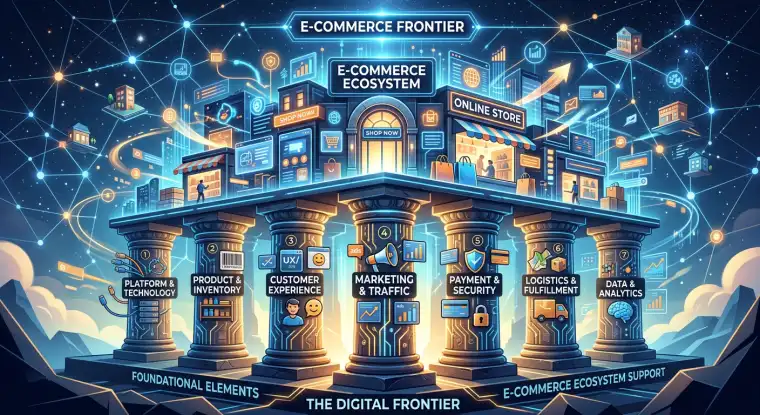
The digital marketplace is a battlefield, and large brands want the best weapons. What makes the best e-commerce tools?
Adaptability and scalability are critical. Why do major brands carefully compare enterprise e-commerce solutions?
Find out the reasons behind these choices and how you can make the best decisions for your business.
E-commerce is more than an online presence. It is a complex system that is important for large brands. The competitive market needs a strong, scalable, and feature-rich platform. This guide explains why large brands compare enterprise e-commerce solutions. It covers the important things they consider and how you can make informed choices for long-term success. Understanding e-commerce is important for any brand that wants to grow.
Quick navigation
What this means for you
For any business leader who wants to use enterprise e-commerce, there are big changes. It changes a basic online store into a complete digital experience. This affects all parts of your business, from managing your supply chain to building customer relationships. It also needs a lot of investment in technology, people, and ongoing improvements. This is a strategic change, not a quick fix. Choosing the right platform helps you grow and meet market demands.
Understanding Enterprise E-commerce
Enterprise e-commerce is not just about selling online. It is a system designed to handle many transactions, manage complex product catalogs, and connect with many business systems. Think of it as the engine behind some of the biggest retail businesses. What defines an enterprise e-commerce solution? Does it have the ability to scale and the flexibility to support fast growth?
It is known for its ability to scale, integrate, and offer features like personalized shopping, strong analytics, and multi-channel support. Enterprise solutions can manage complex product variations, handle high traffic, and support international sales. They often offer many customization options to fit a brand's needs.
Key Considerations in Comparing Platforms
Choosing the right platform means carefully considering several things. Businesses need to think about how the platform scales, its integration abilities, and its support for different business models. What should you focus on when comparing enterprise e-commerce solutions? The right choice depends on understanding your brand's specific needs and future goals.
Here are important things to consider:
- Scalability: The platform must handle your current sales and future growth.
- Integration: It is important to connect with existing systems (ERP, CRM, etc.).
- Customization: The ability to adapt the platform to your brand's specific needs.
- Features: It should have features like advanced analytics, personalization, and multi-channel support.
- Security: Make sure transactions are secure and customer data is protected.
- Cost: Understand the total cost, including implementation, maintenance, and upgrades.
When comparing platforms, focus on the features that match your business goals. For example, if you plan to sell internationally, make sure the platform supports multiple currencies, languages, and tax rules. Also, consider the platform's support and training resources to use the solution effectively.
The Core Components of an E-commerce Platform
An enterprise e-commerce platform is a complex system with different parts working together. What are the essential parts that make an e-commerce operation successful?
Here are the core components:
- Product Catalog Management: The ability to organize and manage many products, including variations, attributes, and descriptions.
- Shopping Cart and Checkout: A simple and secure checkout process that supports various payment methods.
- Order Management: Tools for managing orders, including processing, fulfillment, and returns.
- Customer Relationship Management (CRM): Features to manage customer data, personalize experiences, and support customer service.
- Analytics and Reporting: Data and insights to monitor performance, analyze trends, and make decisions based on data.
- Marketing Tools: Integrated features for email marketing, SEO, and promotions to drive traffic and sales.
What Drives the Growth of E-commerce?
E-commerce is always changing. Several things are helping it grow, like technology, changing consumer behavior, and the globalization of markets. How do these trends shape the future of online retail?
Key drivers include:
- Mobile Commerce: More people are using smartphones for online shopping, so platforms need to be mobile-friendly.
- Personalization: Customers want personalized experiences, so platforms must offer product recommendations and content.
- Social Commerce: Connecting e-commerce with social media helps brands reach new customers and increase sales.
- AI and Automation: Artificial intelligence and automation make operations easier, improve customer service, and enhance the shopping experience. AI is important in marketing and sales.
- Sustainability: Consumers care about sustainability, which makes brands adopt eco-friendly practices. Learn more about top sustainability strategies.
Risks, trade-offs, and blind spots
Starting an enterprise e-commerce business has challenges. There are risks, trade-offs, and potential problems that businesses must know about. What are the common problems, and how can you avoid them?
Here are some things to consider:
- Implementation Complexity: Setting up an enterprise e-commerce platform can take time and be complex. It requires technical expertise.
- Integration Challenges: Connecting the platform with existing systems can be difficult and may need custom development.
- Security Threats: E-commerce platforms can be targets for cyberattacks, and businesses must use strong security measures.
- Data Privacy: It is important to follow data privacy rules to protect customer data.
- Changing Consumer Behavior: Technology changes quickly, so platforms must adapt to changing customer preferences.
Main points
Choosing the right enterprise e-commerce platform is important for large brands that want to succeed in today's digital world. It means carefully considering things like scalability, integration, and features. What are the main points?
- Prioritize Scalability: Make sure the platform can handle current and future growth.
- Seamless Integration: Connect with existing systems (ERP, CRM, etc.) for smooth operations.
- Focus on Customization: Adapt the platform to your brand's specific needs.
- Consider Advanced Features: Use analytics, personalization, and multi-channel support.
- Prioritize Security: Ensure secure transactions and data protection.
- Understand Total Cost of Ownership: Evaluate all costs, including implementation and maintenance.
- Embrace Mobile Commerce: Optimize the platform for mobile devices.
- Adapt to Changing Trends: Stay updated with the latest e-commerce trends and technologies.
Comparing enterprise e-commerce solutions is a complex process. By carefully evaluating platforms based on your needs, you can help your business succeed in the world of online retail. Use these strategies, and your brand can do well in the competitive e-commerce market. To get an advantage, stay ahead.